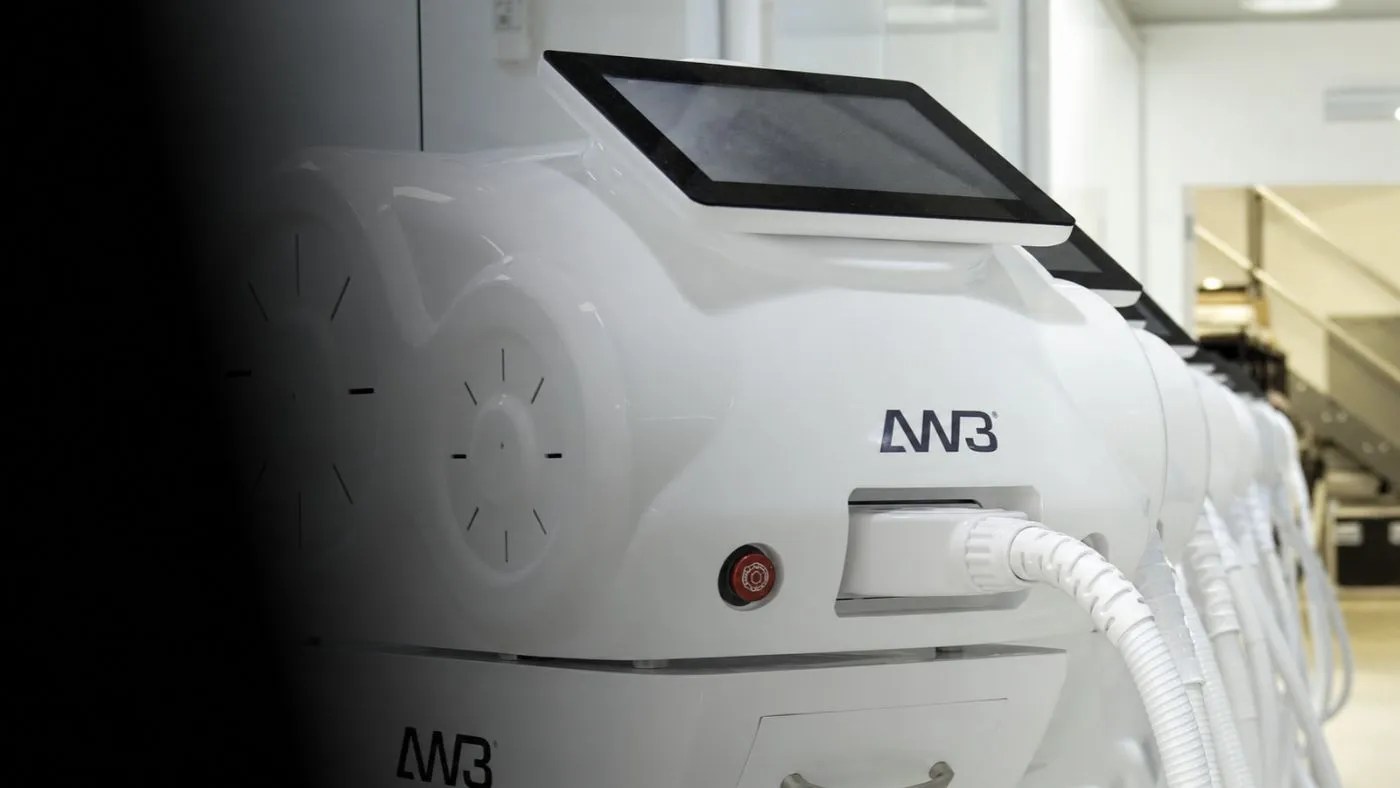
Starting an aesthetics business or adding new treatments can be exciting.
Before using any aesthetic machine, you need to know how it works, which clients are suitable, how to choose the correct settings and what to do if a client has a reaction.
Practitioners can compare the available AW3 Academy training courses before choosing a course that matches the machine and treatments they intend to offer.
Different machines work in different ways. A diode laser, IPL system, Nd:YAG laser, HIFU device and RF machine can all have different settings, treatment protocols and safety requirements. Practitioners offering ultrasound-based treatments should complete HIFU (High-Intensity Focused Ultrasound) training, while those introducing body-contouring treatments can consider a laser lipolysis course, cavitation and RF training.
Can You Buy an Aesthetic Machine Without Training in London?
London clinic may be able to buy an aesthetic machine before completing training. However, buying the machine does not mean that staff are ready to use it on clients.
Clinics offering laser, IPL and some other advanced treatments may need a special treatment licence from their local London council. The council may ask for staff qualification certificates, training on the chosen machine, insurance papers and details about the equipment.
The exact rules can differ between London boroughs. Clinic owners should therefore contact their local council and insurance company before buying a machine, advertising a new treatment or taking client bookings.
Why Training Matters Before Using an Aesthetic Machine
1. Client Safety Comes First
The main reason training matters is safety. Aesthetic devices use powerful technologies such as laser energy, radiofrequency, ultrasound, and intense pulsed light into the skin or body.
If used the wrong way, they can cause problems. Risks like burns, hyperpigmentation, skin irritation, eye injuries, swelling, scarring, pain, and poor results.
Proper training teaches practitioners how to select suitable settings for different skin types and treatment goals while minimising risks. Also helps them know when a treatment should not be done, which is very important.
2. Poor Client Results
Clients expect to see good results after their treatments. Without the appropriate training, operators may set the device at the wrong settings, use the wrong treatment protocols or treat clients who are not appropriate candidates for the treatment. This can lead to poor results, client complaints, negative reviews, and reduced repeat business.
3. Training May Be Necessary for Insurance
Many insurers require proof that you are knowledgeable about the function of aesthetic machines. Certificates of training can help to show that you have the right skills and knowledge.
If you’re using a machine and you’re not trained properly, you can have challenges getting insurance. It also makes it harder to deal with client complaints if something goes wrong.
4.Training Rules Can Differ Between London Boroughs
London clinics should not assume that the same training rules apply across every borough.
For example, Redbridge requires laser and IPL operators to have a relevant Level 4 or Level 5 qualification, training on the exact machine and Core of Knowledge safety training. Ealing asks for therapist qualifications, public liability insurance and an electrical safety certificate as part of its application process.
This means that a short machine course may not always be the only training or document needed. Before buying, the clinic should ask its local council what qualifications are accepted and check whether its insurance company will cover the planned treatment.
5. Different Skin Types Require Different Settings
It is a mistake to think that the same setting is right for every client.
Factors such as skin type, hair colour, hair thickness, medical history and past treatments may affect how a treatment should be performed.
For example, professional laser hair removal training should teach practitioners how skin type, hair colour, treatment area and previous skin reactions can affect parameter selection.
Similarly, laser tattoo removal training should cover skin assessment, ink colours, wavelength selection, treatment settings, contraindications and aftercare.
Lack of proper instruction can cause an expert to use settings which are too strong or too weak. This can lead to disappointed clients, poor results, and safety risks.
Training on the specific machine is a must
Even if you know how to do facials, waxing, or skin treatments, you still need to be trained on energy-based machines.
Machine specific training teaches you how to use the exact machine you purchase. This matters, as all machines are different, with different settings and safety features.
This is even more so for multi-function machines. A machine with diode laser, IPL and Nd functions can provide more treatments, but each has to be used properly.
A multifunction machine can be a great investment but only if the team is trained to use it safely and with confidence.
Why Supplier Support and Training are Important
Another thing that you will need to consider is the support that you will get after you purchase an aesthetic machine. These machines need regular maintenance, servicing, replacement parts, software upgrades and technical assistance to keep running properly.
A good supplier will assist with installation, training and treatment guidance so that your team feels confident using the machine. They can also give technical support if problems arise and advice on how to care for the equipment. Treatments can be safer, clients can achieve better results and your clinic can avoid unnecessary downtime with the right support.
Conclusion
You may be able to buy an aesthetic machine without training, but you should not use it on clients until you are properly trained.
Training helps you use the machine safely, choose the right settings, understand client suitability and avoid serious mistakes. It’s also important to have supplier support as machines need care, maintenance and technical help over time.
Aesthetic machines are a good investment, but only if they are kept with the right training, support and guidance.
FAQs
Can you buy a laser machine without training in London?
London clinic may be able to buy a laser machine before training. However, staff should not use it on clients until they have the right qualifications, machine training, insurance and any licence required by the local borough.
Do all London boroughs have the same laser training rules?
No. The documents, qualifications and licence steps can differ between boroughs. Clinics should contact the council where the premises are based before buying or using a laser or IPL machine.
Is training from the machine supplier enough?
Not always. Supplier training helps staff learn how to use the exact machine, but the local council or insurer may also ask for other qualifications or safety training. Clinics should check these requirements before starting treatments.
What should a London clinic check before buying an aesthetic machine?
The clinic should check local licence rules, staff qualifications, machine training, insurance, equipment papers, warranty and repair support. These checks should be completed before the new treatment is advertised.