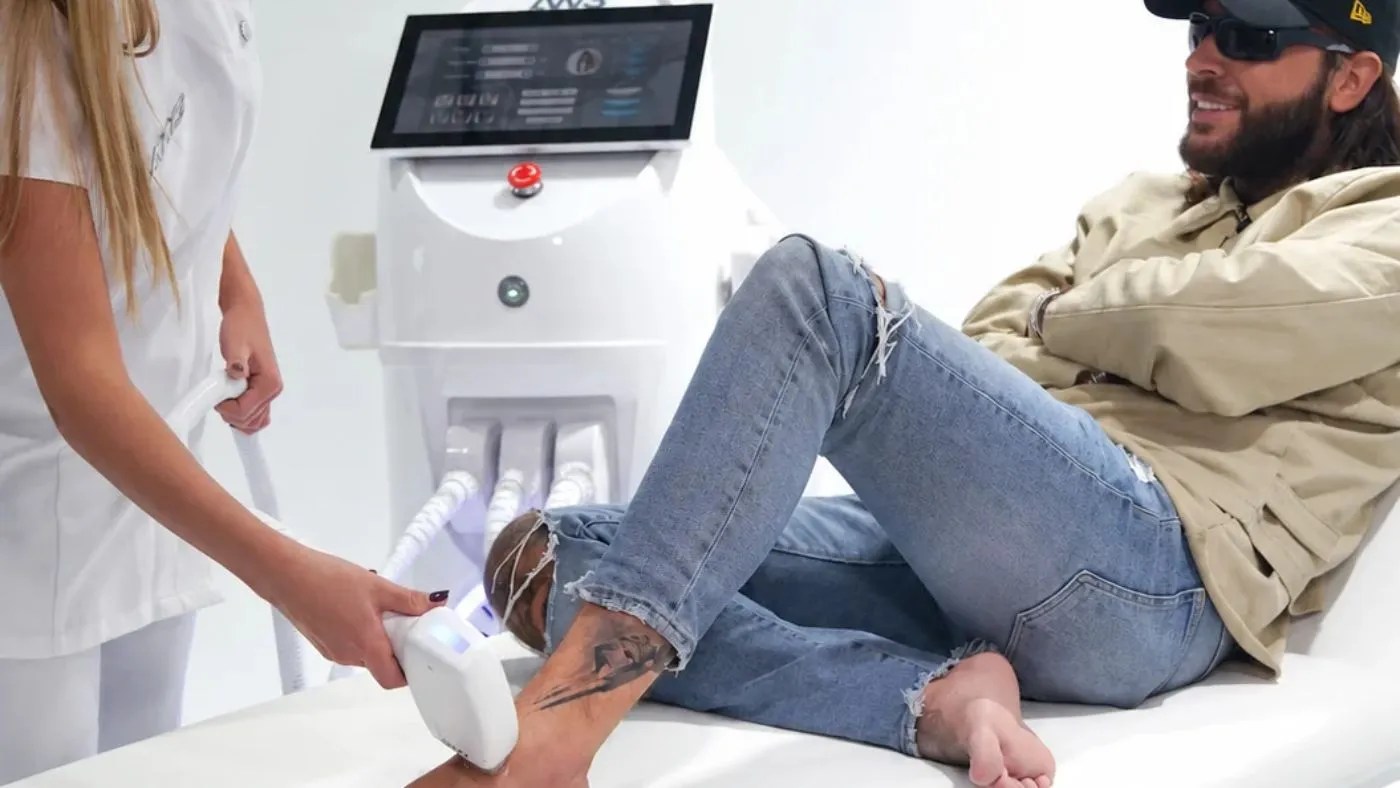
A Laser treatment centre in the UK should have controlled access to suitable electrical power first. Second comes good ventilation, correct warning signs, eye protection and enough clear space to use the machine in a safe environment.
The setup also depends on the laser or IPL devices, the treatment from your local authority and advice from your laser protection adviser.
No single minimum room size is required for every UK laser clinic. A compact room may be suitable for one device but unsafe for another.
The operator needs enough space to move around the couch. The person should be able to reach the controls and leave the room quickly in an emergency.
This guide explains the main laser treatment room requirements in the UK. Use it when opening a new clinic, adding a laser service or reviewing an existing salon room.
Important: This is a general planning guide. It does not replace advice from your local council, regulator, insurer, electrician, fire safety professional, equipment manufacturer or Laser Protection Adviser.
Quick Laser Treatment Room Checklist
Always check for these before you operate on the client
- Confirmed the licence or registration rules for your location
- Chosen a room that is large enough for the machine, couch and safe movement
- Created a laser controlled area where required
- Arranged a risk assessment with a Laser Protection Adviser
- Written Local Rules and treatment protocols
- Limited access while the laser or IPL system is in use
- Fitted the correct warning sign at the entrance
- Covered or removed mirrors and other reflective items
- Checked sockets, cables and the electrical load
- Left the equipment clearances required by the manufacturer
- Provided suitable room ventilation
- Added local extraction if the treatment can create smoke or plume
- Provided eye protection for each wavelength and person at risk
- Used clean, sealed and easy-to-wipe surfaces
- Stored clean items away from used items and waste
- Kept the emergency stop and main controls easy to reach
- Completed a fire risk assessment and kept the exit clear
- Put consultation, consent, patch-test and treatment records in place
- Trained every authorised operator on the treatment and the exact device
- Arranged insurance that covers the treatments, staff, device and premises
- Planned servicing, safety checks and ongoing room reviews
1. Check the Rules Before You Design the Room
Laser and IPL rules are not the same in every part of the UK. They can also change according to whether a treatment is cosmetic or is being used to treat a disease, disorder or injury.
In England, a practitioner using IPL, a Class 3B laser or a Class 4 laser only for cosmetic purposes does not normally need to register with the Care Quality Commission. However, some councils require registration or a special treatment licence.
Many London boroughs license laser and IPL premises and inspect them before treatment begins.
Do this before signing a lease or fitting out the room. Ask the correct authority:
- Does this treatment need a premises licence or registration?
- Which practitioner qualifications will you accept?
- Do you require an LPA report, Local Rules and treatment protocols?
- Do you need a floor plan before work begins?
- Are there rules for sinks, ventilation, flooring or room access?
- Will an officer inspect the room before the service can open?
Your insurer may have extra conditions. Ask for these in writing and make sure every planned treatment is named on the policy.
2. Involve a Laser Protection Adviser Early
A Laser Protection Adviser, often called an LPA, gives expert advice on laser and IPL safety.
They can assess the device, treatment room and working process. They may also help prepare or review the Local Rules for your clinic.
Do not wait until the room is finished. Early advice can prevent expensive changes to doors, windows, reflective surfaces, electrical points or machine positions.
The LPA may review:
- The laser class and wavelengths
- The treatment room layout
- The controlled area and access points
- The risk of a direct or reflected beam
- Warning lights and signs
- Window screening
- Protective eyewear
- Emergency controls
- Fire risks
- Staff responsibilities and training
- What should happen after an accident or equipment fault
Read our guide to what an LPA is and why laser clinics need one before planning your room.
3. Choose the Right Room Size and Layout
There is no universal minimum size for a laser treatment room in the UK.
The room must be suitable for your equipment and normal working process.
Start by drawing the room to scale.
Add the machine, treatment couch, operator stool, trolley, storage, sink, door and any fixed units. Then show the space needed to move and use every item.
The layout should allow the operator to:
- Move around the part of the client being treated
- Use the handpiece without pulling or sharply bending its cable
- View and reach the screen and controls
- Reach the emergency stop without crossing an obstacle
- Adjust the couch without hitting the machine or wall
- Leave the room without moving equipment
- Bring a client out safely if they feel unwell
Avoid placing the machine where ventilation openings are blocked. Follow the manufacturer’s required clearance around the system. Do not guess this distance, as cooling and service needs differ between devices.
A simple room layout example
Place the couch near the centre of the usable treatment area, with working access on the sides needed for the service. Keep the laser on the operator’s side, within reach but outside the main walking path. Put the trolley close enough to use without stretching. Keep bins, stools and loose cables away from the exit.
If the room is narrow, test the layout with the couch fully raised and lowered. Open all drawers and doors. Move the machine as it would be moved during a real appointment. This simple test often finds problems that are missed on a floor plan.
4. Create a Laser Controlled Area
For higher-risk laser systems, the treatment room will normally form the laser controlled area. Only authorised people should enter while the device is in use.
The room entrance should be easy to supervise. A person should not be able to walk in during treatment without warning. The access controls needed will depend on the risk assessment and Local Rules. They may include:
- A closed door
- A lock or controlled entry system
- An illuminated warning light
- A laser warning sign showing the correct hazard information
- A notice telling people not to enter during treatment
- An interlock where specified for the system or risk
Keep the door and exit clear. Never use a laser warning sign as the only control if a person can still enter the room without the operator noticing.
Windows may need suitable blinds, screening or other controls. The LPA should decide what is needed after reviewing the device and possible beam path.
5. Remove Reflective and Flammable Risks
Laser light can reflect from shiny surfaces. The reflected beam may still harm the eyes or skin. This is why a stylish salon room full of mirrors, chrome and glass may need changes before it becomes a laser room.
Review items such as:
- Wall mirrors
- Mirrored furniture
- Chrome trolleys and bins
- Glass-fronted cupboards
- Shiny handles and taps
- Metal trays
- Jewellery worn by staff or clients
- Framed pictures with reflective glass
Remove unnecessary reflective objects from the likely beam path. Where an item is needed, your LPA can advise whether it should be moved, covered or replaced with a matt option.
Keep flammable products away from the laser and treatment area. This can include alcohol-based skin products, paper couch roll and some cleaning products. Follow the device instructions and Local Rules when preparing skin and storing products.
6. Plan the Electrical Supply Properly
Professional laser systems can have different power and socket requirements. Some units may need a dedicated supply. The building’s existing sockets should not be accepted as suitable without checking the device specification and electrical load.
Ask a competent electrician to confirm:
- The voltage, current and socket type required by the machine
- Whether a dedicated circuit is needed
- Whether the circuit and protective devices are suitable
- That sockets are in safe and practical positions
- That extension leads and overloaded adaptors are avoided
- That cables will not create a trip or damage risk
- That the room can also support cooling, extraction and other equipment
The law requires workplace electrical equipment to be maintained so it does not cause danger. This does not mean every item must have a portable appliance test every year. The inspection and testing schedule should be based on risk, equipment type, use and previous results.
Check plugs, cables, handpiece leads and connectors before use. Stop using the device if you find heat damage, exposed wires, loose connections or a repeated fault. Repairs should only be completed by a competent and authorised person.
7. Provide Good Ventilation and Temperature Control
UK employers must provide adequate ventilation in enclosed work areas. A laser room can become warm because of the machine, room lighting, staff activity and the need to keep the door closed.
Plan for a supply of fresh air and the removal of hot or stale air. Depending on the room, this may come from windows, air vents or a mechanical ventilation system. Air conditioning can help control temperature, but it should not be treated as proof that fresh-air ventilation is adequate.
Check the operating temperature and humidity range in the machine manual. Poor room conditions may affect the device, cause it to shut down or reduce its working life.
Do laser rooms need smoke or plume extraction?
Not every treatment produces the same level of airborne material. Treatments that heat, vaporise or remove tissue can produce smoke or plume. If your procedure creates plume, a general room fan is not enough. A suitable local extraction system should capture it close to the source.
The extraction unit, filter and position must be suitable for the treatment. Include filter replacement and equipment checks in the maintenance plan. Ask the device supplier, LPA and a competent ventilation specialist what your service needs.
8. Use Safe, Cleanable Surfaces
The room should be easy to clean between clients. Choose finishes that do not hold dust, liquid or treatment debris.
Good options normally include:
- Smooth, intact flooring
- Sealed worktops
- Wipe-clean furniture
- A treatment couch with an undamaged surface
- Closed storage for clean items
- Bins suitable for the waste produced
Avoid damaged vinyl, deep fabric, unfinished wood and clutter near the treatment area. Cracks, torn couch covers and open storage are harder to clean properly.
Create a clear flow from clean to used items. Do not place fresh gauze, eyewear or applicators beside used materials. Follow the correct process for normal waste, contaminated waste and sharps where these are produced.
A hand-washing sink may be required by your council or treatment type. Even where it is not required inside the room, staff need quick access to suitable hand-washing facilities. Check this before completing plumbing work.
9. Choose the Correct Eye Protection
Ordinary sunglasses and generic “laser glasses” are not suitable. Laser safety eyewear must match the wavelengths and output of the exact device. Different handpieces on the same platform may need different protection.
Provide suitable eyewear for:
- The operator
- The client
- An assistant or observer
- Anyone else who may be allowed into the controlled area
Mark and store each pair clearly so it is not mixed with eyewear for another device. Check lenses and frames for damage. Clean them in line with the manufacturer’s instructions and replace them when they are no longer safe.
Client eye protection must suit the treatment area. Treatments close to the eyes need specific controls and may require specialist shields and advanced training. Never select eye protection only by colour or appearance. It should be approved through the risk assessment and LPA advice.
10. Keep Safety Documents in the Room
A safe room needs more than physical equipment. Staff also need clear instructions that can be followed during a busy day.
Your clinic documents may include:
- Local Rules
- Laser risk assessment
- Treatment protocols
- List of authorised users
- Device manual
- Daily opening and closing checks
- Consultation and consent forms
- Patch-test process
- Client treatment records
- Cleaning schedule
- Maintenance and servicing records
- Incident and adverse-event process
- Emergency contact details
- Fire and evacuation plan
Local Rules should explain who can use the system, when the controlled area applies, which eye protection is needed and what to do in an emergency. Staff should understand the rules rather than simply signing a form.
Keep client information secure. Paper records should not be left open where another client can see them. Digital systems should have suitable access controls.
11. Select the Device Before the Final Fit-Out
The device affects the room. Its size, weight, electrical demand, cooling system, handpiece cable, service access and treatment use all matter.
If hair reduction is your main service, compare professional laser hair removal machines before fixing sockets and furniture. If you plan to add ink or pigment services, review the space and safety needs of professional tattoo removal machines.
Clinics building a wider treatment menu may also want to compare a professional CO₂ fractional laser machine or a professional HIFU machine. HIFU does not use laser light, so its optical safety controls are different, but it still needs a suitable room, electrical supply, safe working space, hygiene process and trained operator.
Before buying any system, ask the supplier for:
- Full dimensions and weight
- Electrical requirements
- Cooling and ventilation needs
- Required space around the machine
- Laser class and wavelengths
- Eye protection information
- Training details
- Warranty and service plan
- Installation and commissioning process
- Documents needed for your licence, insurer and LPA
Choosing the device first helps you build the room around real requirements rather than estimates.
12. Train Every Person Who Uses the Room
A well-designed room cannot make an untrained treatment safe. Each operator needs suitable knowledge of laser safety, skin and hair, consultations, contraindications, patch testing, device settings, aftercare and adverse reactions.
Training should include practical use of the exact machine. Controls, handpieces, cooling systems and emergency steps are not identical across all devices.
The AW3® Academy provides treatment and equipment training for aesthetic professionals.
Clinics planning a hair reduction service can also review the Laser Hair Removal Training Course.
Keep a list of authorised users. Update it when a staff member joins, leaves, changes role or completes new training. Visitors and trainees should only enter or observe in line with the Local Rules.
13. Complete a Final Room Test Before Opening
Do a full trial without treating a client. Walk through the complete appointment, from consultation to cleaning.
Check whether you can:
- Bring the client into the room without blocking the exit.
- Store their clothing and personal items away from the treatment zone.
- Position and adjust the couch safely.
- Reach the machine, trolley and emergency stop.
- Use the handpiece without pulling the cable.
- Control entry while the device is active.
- Put on and remove protective eyewear safely.
- Dispose of used items without crossing over clean supplies.
- Clean all touched surfaces.
- Record the treatment securely.
Ask the LPA, supplier or licensing officer to review the room where required. Correct every important issue before bookings begin.
Common Laser Room Setup Mistakes
Avoid these common problems:
- Buying a machine before checking local licensing and insurance
- Completing the room before speaking to an LPA
- Assuming every laser machine uses a normal wall socket
- Giving the machine too little cooling or service space
- Leaving mirrors or shiny furniture in the possible beam path
- Using generic eyewear that does not match the wavelength
- Allowing people to enter during treatment
- Blocking the exit with a machine, trolley or cables
- Relying on air conditioning without checking fresh-air ventilation
- Using a desk fan where local plume extraction is needed
- Keeping clean and used items together
- Copying another clinic’s Local Rules without adapting them
- Treating manufacturer training as a replacement for all required qualifications
- Failing to review the room after adding a new device or treatment