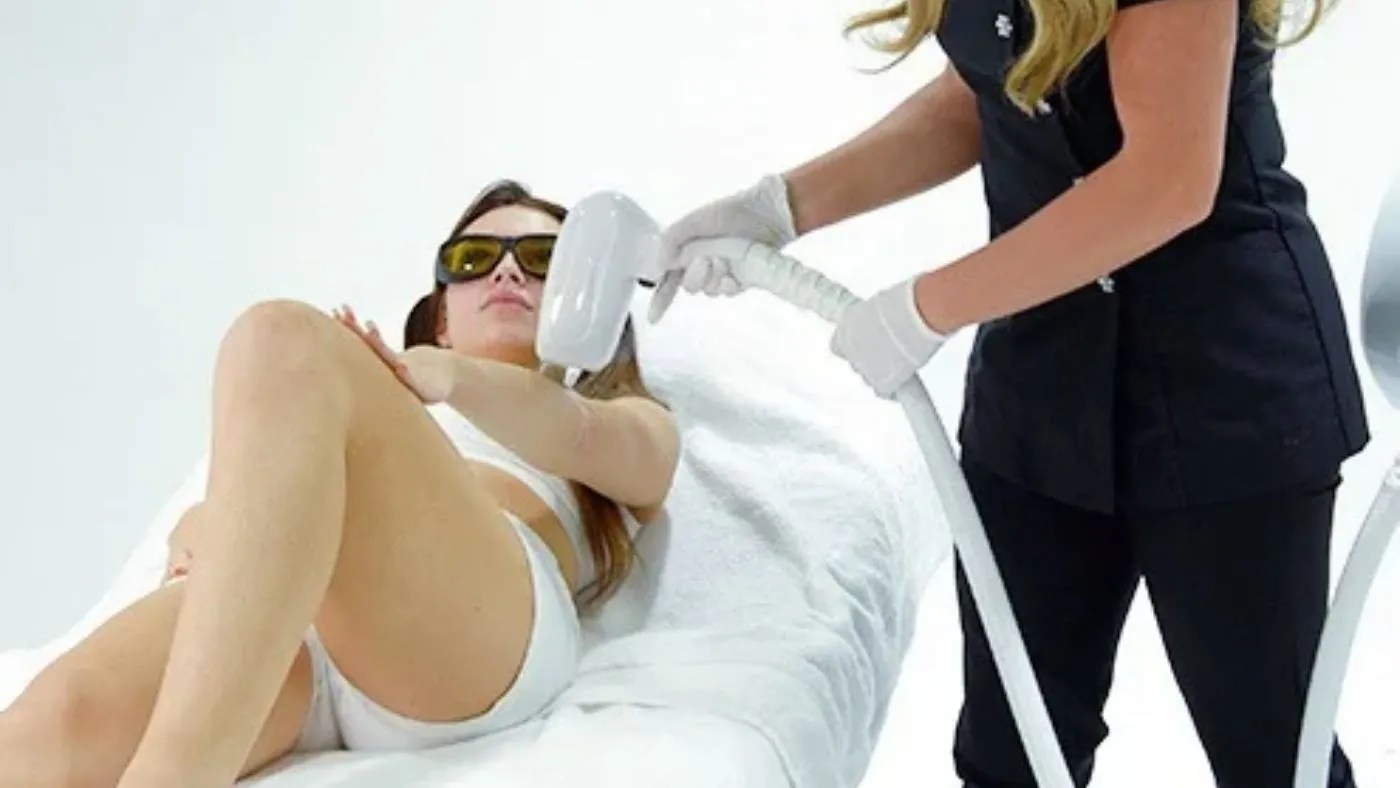
Most people know that laser tattoo removal takes multiple sessions. Fewer people talk honestly about what happens between those sessions — the healing, the blisters, the burning sensation that can last a couple of nights, and the quiet satisfaction of watching ink fade over months. In this post we sit down with Abid, a real AW3 client, who let us document his five-session journey from start to finish.
Meet Abid: A Five-Session Tattoo Removal Journey
Abid came to AW3 with a tattoo he had carried for almost 38 years — inked in Hong Kong when he was a teenager. Right away, that context is important. The older a tattoo is, the more layers of skin build up over the pigment, pushing the ink deeper and making removal more demanding. The specific ink used decades ago in Hong Kong is also chemically different from contemporary Western inks, which adds another variable. Add in that Abid is a long-term smoker (smoking impairs microcirculation, which slows healing), and he was heading into treatment with what you might call a “high-difficulty” profile.
None of that stopped him. Over roughly a year he completed five sessions with AW3, using a combination of our laser platforms — finishing with our latest Pico Scorpio picosecond machine.
Pain During Treatment: What Abid Actually Experienced
Abid is refreshingly direct: the first four sessions hurt. He describes the sensation as “needles” — sharp pulses that made the treatment itself a real test of endurance. That’s not unusual. Q-switched and nanosecond lasers deliver energy in bursts that cause a characteristic stinging snap; clients often compare it to an elastic band being flicked repeatedly against skin.
Session five was different. For that session AW3 used the Pico Scorpio, a picosecond laser that fires ultra-short pulses measured in trillionths of a second rather than billionths. The practical result? Abid felt almost nothing during the treatment itself.
“During the treatment I didn’t feel any pain.”
— Abid, AW3 client, Session 5
That tracks with the clinical data: picosecond lasers create a photoacoustic (pressure-wave) shattering effect on ink particles rather than a predominantly photothermal (heat) one, which typically means less discomfort during the session. We wouldn’t promise every client zero pain — individual sensitivity varies — but it illustrates why technology choice matters.
The Aftercare Reality: What to Expect in the Days That Follow
Here is the part practitioners and clients both need to understand. During the session Abid was comfortable. Friday night and Saturday — the 24–48 hours after — were the hardest.
“Friday night and Saturday is the worst. It’s not pain — it’s like burning.”
— Abid
This is completely normal. The laser energy has been absorbed by the ink, fragmenting it and causing an acute inflammatory response in the surrounding tissue. The skin is, in a very literal sense, injured — intentionally, in a controlled way — so that the immune system can carry the broken ink particles away. That inflammatory process produces heat, redness, and sometimes a burning sensation that peaks in the first two nights and then subsides.
What the Healing Timeline Looks Like
- Day 1–2 (treatment day & next day): Skin looks red, slightly raised. May feel hot to the touch.
- Day 2–4: Blistering can appear. This looks alarming but is a normal physiological response — fluid accumulates under the skin as part of healing. Do not pop blisters deliberately.
- Day 4–7: Blisters flatten. Scabbing begins as the damaged surface skin dries and forms a protective layer.
- Week 2–4: Scabs naturally slough off, revealing lighter, smoother skin beneath. The ink continues to fade for weeks as the immune system clears fragmented particles.
Abid’s experience on session five — no bleeding (which he had seen on previous sessions with a different machine), blisters rather than open wounds, and significant improvement by day four — is a good illustration of a healing process that is going as expected.
Aftercare Protocol: The Non-Negotiables
Abid credits two products above all: aloe vera gel and the prescribed aftercare cream. He applied them for the first three to four days after each session and found they made a meaningful difference to comfort and healing speed.
The principles behind good tattoo removal aftercare are straightforward:
- Keep it clean. The treated area is an open wound pathway. Bacteria can cause infection, which means scarring risk, extended downtime, and potentially compromised results. Gently wash with lukewarm water and a mild, fragrance-free cleanser.
- Moisturise correctly. Aloe vera is a proven anti-inflammatory and keeps the skin hydrated without blocking oxygen exchange. Apply thinly, multiple times a day if needed.
- Avoid sun exposure. UV radiation on a healing treated area dramatically increases pigmentation risk. Keep it covered or use SPF 50+ once the surface has closed.
- Do not pick scabs. Scabs are the skin’s natural bandage. Removing them prematurely risks scarring and can pull pigment unevenly.
- Follow your practitioner’s protocol exactly. Every machine, every client, and every tattoo is different. The aftercare advice given to you is specific to your treatment — stick to it.
If you are a practitioner reading this, the confidence piece matters enormously. Clients will send you photos that look frightening — blisters, bruising, raw-looking skin. Having a clear sense of what is normal versus what warrants concern (signs of infection: spreading redness, pus, fever, worsening pain beyond day three) lets you reassure clients quickly and accurately.
Why Older Tattoos and Lifestyle Factors Change the Picture
Abid’s case is a useful teaching example. Several factors combined to make his treatments more reactive than a straightforward modern tattoo on a non-smoker:
- Tattoo age (38 years): Decades of skin cell turnover means successive layers of epidermis have formed over the ink, embedding it deeper.
- Ink composition: Older Asian inks, particularly from the 1980s, often contain heavy metal compounds that respond differently to laser wavelengths than modern pigments.
- Smoking: Nicotine causes vasoconstriction — narrowing of blood vessels — which reduces the blood flow the lymphatic system needs to carry away ink particles. Slower clearance means more sessions and slower healing.
- Skin type and age: Older skin has slower cellular regeneration, which can extend recovery time.
None of these factors make removal impossible — Abid’s results prove that — but they are exactly the kind of things a thorough pre-treatment consultation should explore. Setting accurate expectations from session one is the single biggest thing you can do to keep clients comfortable and trusting throughout a multi-session course.
The Final Result: Abid’s Verdict After Five Sessions
Session five was planned to be Abid’s last. At the time of filming, by day four, the skin was already recovering well — the blisters had largely resolved and scabbing was underway, which marks the transition from acute inflammation to the repair phase. The overall result, built across all five sessions, had already shown significant fading even before this final treatment.
When asked what advice he would give someone hesitating about tattoo removal, Abid’s answer was as plain-spoken as the rest of the conversation:
“If you can handle the pain of putting the tattoo in, this pain is nothing. Don’t be scared.”
— Abid
Thinking About Tattoo Removal? Here’s What to Do Next
Every tattoo removal journey is different. The number of sessions, the intensity of aftercare, and the rate of fading depend on ink colour and composition, tattoo age, placement, skin type, lifestyle, and the technology used. The most important step is getting a proper assessment from a qualified practitioner.
- Find a certified AW3 provider near you for a consultation.
- Learn more about how our tattoo removal treatments work.
- Explore the Pico Scorpio and our full range of tattoo removal machines if you’re a practitioner looking to upgrade your clinic’s capability.
- Interested in adding tattoo removal to your treatment menu? Visit the AW3 Academy for training options.
Watch the full interview: This blog is based on a real patient interview filmed for the Across the Wavelength podcast by AW3. Watch it on YouTube to see Abid’s healing photos and hear his story in his own words.