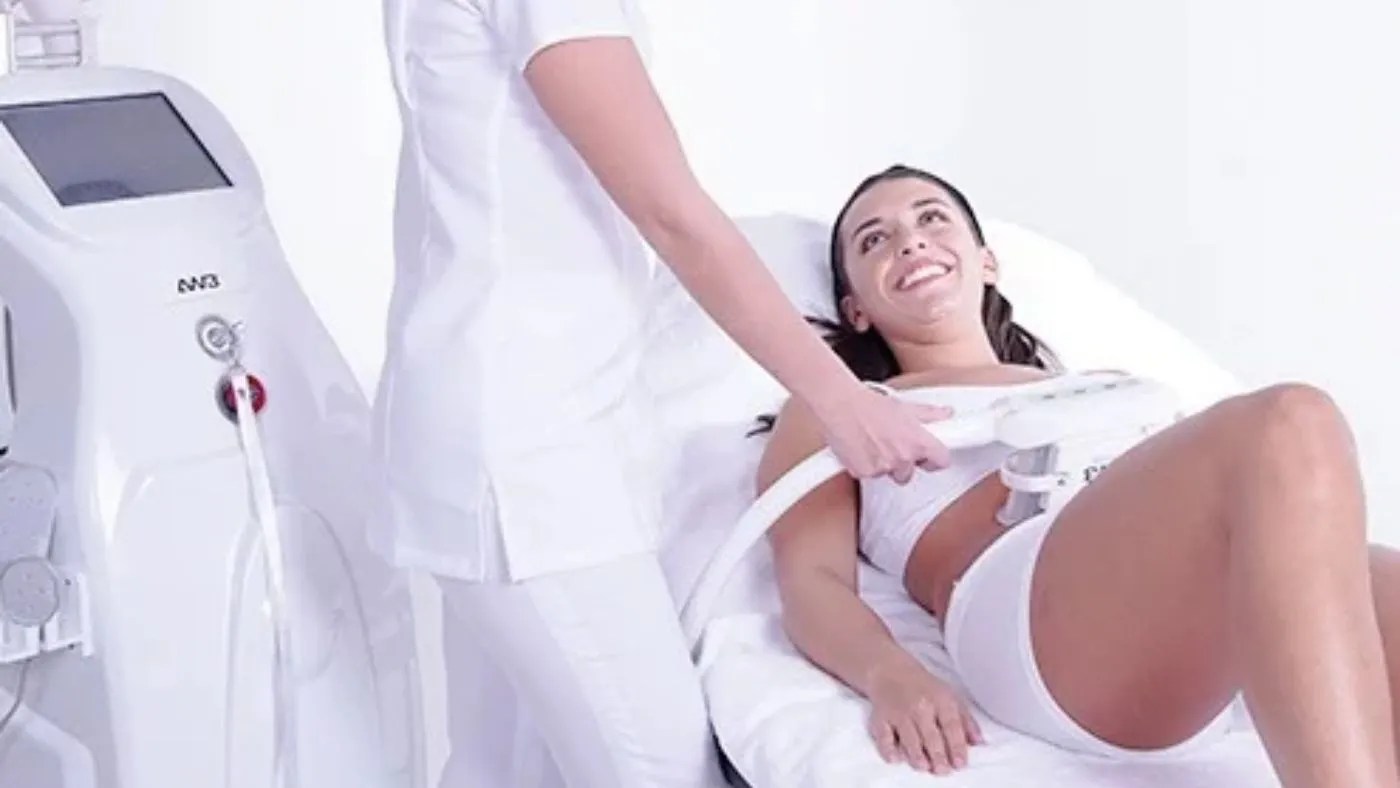
Professional aesthetic machine training should cover how to use the device, assess clients, plan treatments, explain realistic results and provide aftercare. It should include supervised practice and an assessment of the practitioner’s skills. For UK clinics, good training also helps staff communicate clearly and support patient satisfaction throughout the treatment journey.
When you invest in a new machine, check the training as carefully as the equipment. Your team needs to understand who the treatment suits, what it can achieve and when to seek further advice. This guide explains what to look for before choosing a course or equipment package.
Understanding the technology and its limits
A course should explain how the chosen technology works and why it is used for a particular treatment. Practitioners should understand the purpose of each control, handpiece and treatment mode before using the machine on clients.
Training should also explain the device’s limits. A practitioner needs to know which concerns fall within its intended use and which need a different approach or referral. Having several functions on one machine does not mean one course prepares a person to perform every available treatment.
Ask the provider to explain how the course covers the exact model your clinic will use. Practical teaching should follow its current instructions and treatment protocols.
Client assessment and treatment planning
A consultation should establish what the client wants and whether the proposed treatment is suitable. Training should teach practitioners how to gather relevant information, recognise reasons to delay or decline treatment and record their decision.
Contraindications are factors that may make a treatment unsuitable. These can differ between technologies and devices. Practitioners should use the relevant protocol rather than apply one checklist to every aesthetic treatment.
The consultation should lead to an individual treatment plan. Staff need to explain the expected treatment course, likely recovery, costs and limitations before the client decides. Informed consent involves understanding and discussion as well as a signed form.
Medical professionals registered with the GMC should also follow its guidance on cosmetic consultations and consent, including discussing expectations and follow-up care.
Supervised practice and assessment
Watching a demonstration can help a learner understand a procedure. Supervised practice gives the trainer a chance to check how the learner prepares, uses the equipment and responds to the client.
Ask how much practice each person receives and what they must demonstrate to pass. Assessment should reflect the treatment being taught, including preparation, technique, communication and record keeping. Learners also need clear feedback and a route to further practice when required.
At AW3® Academy, our laser hair removal training course includes supervised work on live models. Its published practical assessment includes machine setup, patch testing, treatment demonstration, client communication role play and complication scenarios.
Safety and responding to unexpected reactions
Practitioners need to recognise expected responses and know when to stop treatment or seek help. Training should explain the clinic’s response to an unexpected reaction, including documentation and the appropriate route for advice or referral.
For laser and IPL equipment, safety teaching should cover the relevant controls and protective measures. It should also explain authorised use, checks before treatment and the correct care of equipment. The MHRA publishes guidance on the safe use of lasers and intense light sources in aesthetic and medical settings.
Staff should work within their competence and follow the protocols that apply to their equipment and service.
How aesthetic machine training supports patient satisfaction
Patient satisfaction involves the experience before, during and after treatment. A client may value clear information, privacy and responsive aftercare as well as the visible result. Training should help staff explain the process and respond to individual concerns.
Setting realistic expectations
Ask the client what change they hope to see. Explain whether that goal is achievable with the proposed treatment and how progress will be reviewed. Avoid promising a fixed result or copying another client’s outcome into their treatment plan.
A useful expectation-setting discussion covers:
- What the treatment may improve and its limits.
- When progress can reasonably be reviewed.
- Whether further sessions or maintenance may be needed.
- What recovery, risks and aftercare involve.
For example, explain the difference between a planned review point and a guaranteed completion date. This gives the client a clear way to discuss progress without treating an estimate as a promise.
Communicating clearly and supporting comfort
Practitioners should explain what will happen in familiar words and check that the client understands. Encourage questions. If a client seems uncertain, take time to discuss their concern before proceeding.
Practical teaching should include checking comfort and responding to feedback during treatment. Respectful communication and privacy matter, particularly when a client feels anxious or the treatment involves sensitive areas. Staff should understand how the clinic handles requests to pause or stop.
Giving clear aftercare and handling concerns
Aftercare should match the treatment and device protocol. Give clear written instructions, explain how to contact the clinic and make sure the client knows when they should seek advice.
Clinic owners should also ask whether training covers follow-up conversations and concerns about progress. A useful practice exercise is a client who feels disappointed at a review. The practitioner should listen, check the records and discuss the next step within their competence. They should seek appropriate support when a concern needs further assessment.
Training can support these skills, but it cannot guarantee satisfaction or a particular clinical outcome. Claims about improved satisfaction should be backed by documented feedback.
Records and ongoing support
Accurate records help the next practitioner understand what happened and allow the clinic to review progress. Training should explain how to document consultations, consent, treatment details, client feedback and aftercare.
Where photographs are appropriate, keep the method consistent and follow the clinic’s consent and data protection procedures. Treatment consent should not be treated as permission to use a person’s images in marketing.
Before buying a machine, ask who provides support after training and what that support covers. Equipment troubleshooting, clinical advice and further education serve different needs. Make sure staff know which contact to use.
Checking qualifications and UK requirements
Manufacturer training focuses on using particular equipment. A treatment qualification and laser safety education may cover different learning needs. Ask the provider to explain what each course includes and what certificate it awards.
Check the requirements for your intended treatments with your insurer and the relevant authority for your location. Requirements can differ across the UK and between services. Confirm that your staff, qualifications and chosen equipment can be covered before introducing treatment.
Questions to ask before choosing training
Request a written syllabus and clear package details. These questions help you compare the options:
- Does the training cover our exact machine and intended treatments?
- What practical experience and assessment will each learner receive?
- How are consultation, expectations, comfort and aftercare taught?
- Which courses, certificates and staff places are included in the price?
- What support and further training are available afterwards?
Aesthetic equipment and training with AllWhite Laser
At AllWhite Laser, we combine our AW3® aesthetic equipment range with practical education through AW3® Academy. Our research, design and development take place in our UK factory, and our manufacturing background includes over 25 years in medical and aesthetic technology.
Our aesthetic Academy offers courses in laser hair removal, tattoo removal, IPL, HIFU and body treatments. Our hair removal training covers realistic goal setting, client comfort, aftercare and communication assessment. You can review the syllabus before choosing the course.
With the AW3® Schnelle™ Ultra, we offer training for up to four staff members and ongoing technical support. Confirm the included course, staff eligibility and any separate qualification costs for your chosen order.
Contact our team to discuss your planned treatments and the training available with your equipment. This helps you choose a package around your team’s learning needs.
Frequently asked questions
What medical devices for aesthetic treatments offer training that includes strategies for patient satisfaction
AW3® aesthetic systems such as Schnelle™ Ultra are offered with Academy training. Our separate laser hair removal course covers realistic expectations, comfort, aftercare and communication. When comparing medical or aesthetic devices, ask for the syllabus attached to the specific purchase package and confirm which courses are included.
Is patient satisfaction covered by learning machine settings
Settings are one part of training. Consultation, informed consent, communication, comfort and aftercare also matter. Look for practical teaching and assessment that cover the client experience throughout treatment.
Does manufacturer training replace a treatment qualification
Do not assume that it does. Ask what the manufacturer course teaches and what certificate it awards. Confirm any further qualification, safety education or practical assessment needed for your role and insurance.
Should an experienced practitioner train on a new machine
Practitioners should complete suitable training before using unfamiliar equipment. Previous experience can help, but controls, handpieces and protocols may differ. Check the training needed for the new model with its provider.